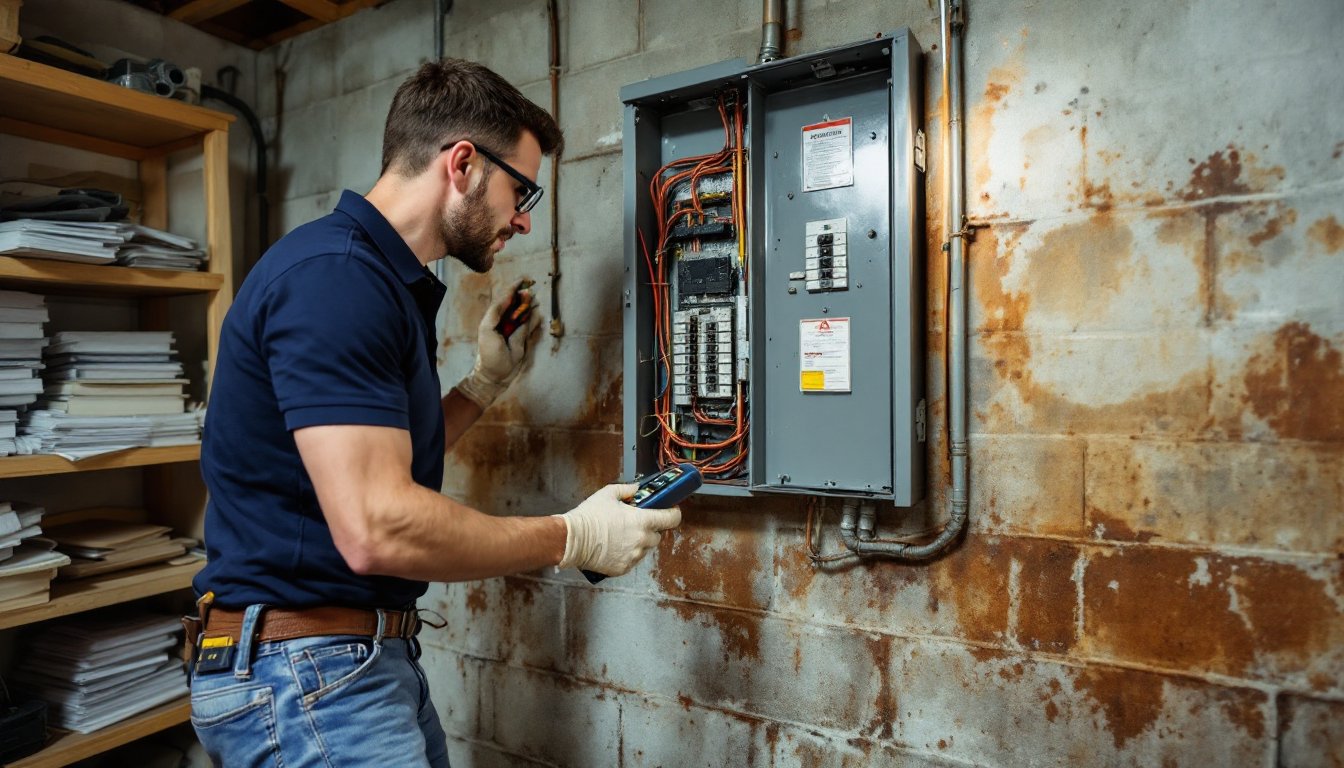
Your electrical panel, that gray or tan metal box usually tucked in a basement, garage, or utility closet, is your home’s power distribution hub. It splits incoming electricity from the utility company into separate circuits, each protected by a breaker or fuse. Most homeowners don’t think about it until something goes wrong. But here’s the truth: upgrading your electrical panel isn’t always optional. Older homes, major renovations, and new high-power appliances can all demand more capacity than your current system can safely deliver. Knowing when to upgrade your electrical panel prevents fires, eliminates constant breaker trips, and supports your home’s modern power needs.
Table of Contents
ToggleKey Takeaways
- When to upgrade your electrical panel depends on three main triggers: frequent breaker trips, major home renovations, and new high-power appliances like AC units, electric water heaters, or EV chargers.
- Modern homes typically need 200-amp service; anything less is outdated, and panels at 85% capacity or higher before renovation require an upgrade to pass inspection and operate safely.
- Warning signs that demand immediate professional assessment include burning smells near the panel, a warm panel cover, flickering lights throughout your home, and repeated circuit breaker trips.
- Older fuse panels and specific unsafe models like Federal Pacific Electric (FPE) or Zinsco panels should be replaced immediately, as many insurance companies won’t cover homes with these systems.
- Upgrading from a 100-amp to a 200-amp panel typically costs $1,500–$3,000 depending on local labor rates and service entrance condition, and always requires a licensed electrician and building permit.
- Before purchasing new appliances or systems, have an electrician evaluate spare capacity to avoid expensive post-installation upgrades; a dedicated circuit for a single appliance runs $150–$500 when capacity exists.
Understanding Your Current Electrical Panel Capacity
Your electrical panel’s capacity is measured in amps, typically 100, 150, 200, or 400 amps. This number tells you the maximum electrical load your home can handle at any given time. A 100-amp service, common in homes built before the 1980s, was designed when homeowners had fewer appliances. Today, that same panel often struggles to support central air conditioning, electric water heaters, and multiple devices running simultaneously.
To find your panel’s capacity, open the main breaker door and look at the number printed on the main breaker switch or near it. Standard modern homes typically need 200 amps: anything less is a red flag. An electrician can assess whether your panel matches your actual power demands by reviewing your usage patterns and planned upgrades.
Understanding the difference between breaker trips and genuine overload is crucial. A breaker that trips occasionally isn’t a failure, it’s doing its job by cutting power to prevent overheating. But frequent trips across multiple circuits mean your panel can’t keep up with your home’s actual demand.
Warning Signs Your Panel Needs an Upgrade
Frequent Circuit Breaker Trips and Flickering Lights
If a single breaker trips repeatedly when you run a specific appliance, say, your dryer or dishwasher, that circuit is overloaded. It’s telling you that one 15- or 20-amp circuit can’t handle the demand. You might be tempted to replace it with a larger breaker, but that’s dangerous. The wire feeding that circuit has a maximum safe amperage: oversizing the breaker can cause the wire to overheat and potentially start a fire.
Flickering lights throughout your home, especially when a major appliance kicks on, suggest your panel struggles to manage load spikes. Your water heater or AC compressor draws a surge of power at startup: if your panel’s capacity is already near its limit, lights dim momentarily. This isn’t cosmetic, it stresses everything connected to your electrical system.
Burning Smells and Warm Panel Cover
A burning smell near your electrical panel is an emergency. Unplug unnecessary devices, turn off major appliances, and call a licensed electrician immediately. A warm panel cover (not just warm breakers, but the outer metal enclosure) signals that the main connections are struggling with excessive current.
These signs indicate potential arcing, where electricity jumps across damaged connections, or failing components. This is a fire hazard and requires professional diagnosis before you can safely operate your home. Don’t ignore it hoping it will resolve itself. Electrical Renovations: Transform Your covers safe approaches to electrical upgrades once you’ve confirmed the root cause.
Major Home Renovations and Additions
Adding a bedroom, bathroom, or kitchen substantially increases electrical demand. A bathroom renovation might require new dedicated circuits for exhaust fans and heated floors. A kitchen remodel demands circuits for dishwashers, refrigerators, microwaves, and countertop outlets, all pulling power simultaneously.
If you’re finishing a basement or adding a garage with a workshop, your existing panel likely won’t support the new circuits those spaces require. Building codes (which vary by jurisdiction but follow the National Electrical Code, or NEC) mandate specific outlet spacing and circuit counts based on room size and use. A finished basement, for example, needs outlets every 6 feet along walls and dedicated circuits for certain equipment.
Many jurisdictions require a permit and inspection for renovation work involving electrical upgrades. Your local building department can tell you whether your project triggers that requirement. If your panel is at 85% capacity or higher before renovation, you’re looking at an upgrade, not optional, but necessary to pass inspection and operate safely. Resources like ImproveNet can help you understand renovation scope and planning, while HomeAdvisor offers cost estimators for electrical upgrades as part of larger projects.
Adding High-Power Appliances and Systems
Central air conditioning, electric heat pumps, electric water heaters, and EV charging stations all demand serious amperage. An AC compressor alone might pull 40-50 amps during operation. A level 2 EV charger (240V) draws 40-50 amps continuously while charging: a level 3 DC fast charger is even heavier. If you’re retrofitting any of these into a 100- or 150-amp panel, you’re almost certainly looking at an upgrade.
Electric pool heaters, hot tubs, and sauna systems follow the same pattern, high demand, high consequence if undersized. Before purchasing these appliances or systems, have an electrician evaluate whether your current panel has the spare capacity. It’s far cheaper to plan ahead than to upgrade your panel after the equipment arrives.
The cost to install a dedicated circuit for a new appliance runs $150–$500 if wiring and breaker space exist. But if those don’t exist, you’re paying for panel upgrade plus installation. According to Bob Vila’s guide to electrical panel replacement, upgrading from 100 to 200 amps typically costs $1,500–$3,000 depending on local labor rates and whether your home has an older service entrance that needs replacement too.
Age and Safety Concerns
Homes built before 1990 often have 100-amp panels with fuses instead of breakers. Fuses work, but they’re outdated. If you’ve inherited a fuse panel and you’re adding significant new loads, or if you’re selling the home, many lenders and home inspectors flag fuse panels as a liability.
Federal Pacific Electric (FPE) and Zinsco panels, installed in homes from the 1950s through early 1980s, have well-documented failure rates. The breakers don’t reliably trip when they should, creating shock and fire hazards. If your home has either brand, replacement isn’t optional, it’s a safety and insurability issue. Some insurance companies won’t cover a home with these panels.
Even modern panels age. Corrosion, loose connections, and component wear happen over 30+ years. If your home’s original panel is 40 years old or older, and you’re planning major upgrades or additions, have an electrician inspect it before assuming you can simply add more circuits. A comprehensive upgrade might be safer and cheaper than trying to extend the life of a aging system.
Always hire a licensed electrician for panel work. Panel upgrades involve connecting to the utility service entrance, work that requires a permit, inspection, and professional-grade knowledge of utility regulations in your jurisdiction. DIY panel work is illegal and extremely dangerous.