Drain problems are one of those home issues that tend to sneak up on you. One day the sink drains fine, and the next, water’s backing up like you’ve got a personal pond forming under your kitchen cabinet. The good news? Many drain cleaning jobs don’t require a professional plumber or a hefty bill. With the right approach and a few common household items, you can tackle affordable drain cleaning yourself and save hundreds of dollars. This guide walks you through practical solutions, warning signs to watch for, and when it’s actually worth calling in the pros.
Table of Contents
ToggleKey Takeaways
- Affordable drain cleaning using baking soda and vinegar costs only $2 to $3 and solves approximately 70% of household clogs without damaging pipes or septic systems.
- Early warning signs like sluggish drainage, gurgling sounds, and unpleasant odors let you tackle drain problems yourself before they require expensive professional repairs.
- A manual drain snake ($15 to $25) and plunger are budget-friendly tools that work effectively on most accessible clogs and provide long-term value for your toolbox.
- Professional plumbers charging $100 to $300 for drain cleaning should be called only after DIY methods fail or for complex issues like sewage backups and main-line obstructions.
- Get free quotes from at least three plumbers and check online reviews to find affordable plumbing services; ask about flat rates and bundled service discounts.
- Install drain screens ($5 each) and practice monthly hot-water flushes to prevent clogs—the cheapest drain fix is one you never need to make.
Signs Your Drains Need Cleaning
Not every slow drain signals a catastrophe, but it’s worth recognizing the warning signs before a clog becomes a full backup. The earliest red flag is usually sluggish drainage, water takes longer than normal to disappear, or it pools slightly around the drain opening. You might notice water draining unevenly from different faucets, which suggests debris buildup in the main line. A gurgling sound coming from your drains or toilet is another classic indicator: that noise means air’s getting trapped as water tries to move past the blockage.
Unpleasant odors are also a dead giveaway. Decomposing hair, soap scum, and organic matter create smells that no amount of air freshener will fix. If you catch these signs early, before sewage backs up into your shower or basement, you’ve got a much better chance of handling the problem yourself. Advanced warning like this is money in the bank.
DIY Drain Cleaning Methods That Save Money
The most cost-effective drain cleaning starts with materials you likely already own. Most clogs sit within 3 to 6 feet of the drain opening, and chemical-free methods work surprisingly well for these accessible blockages.
Using Baking Soda and Vinegar
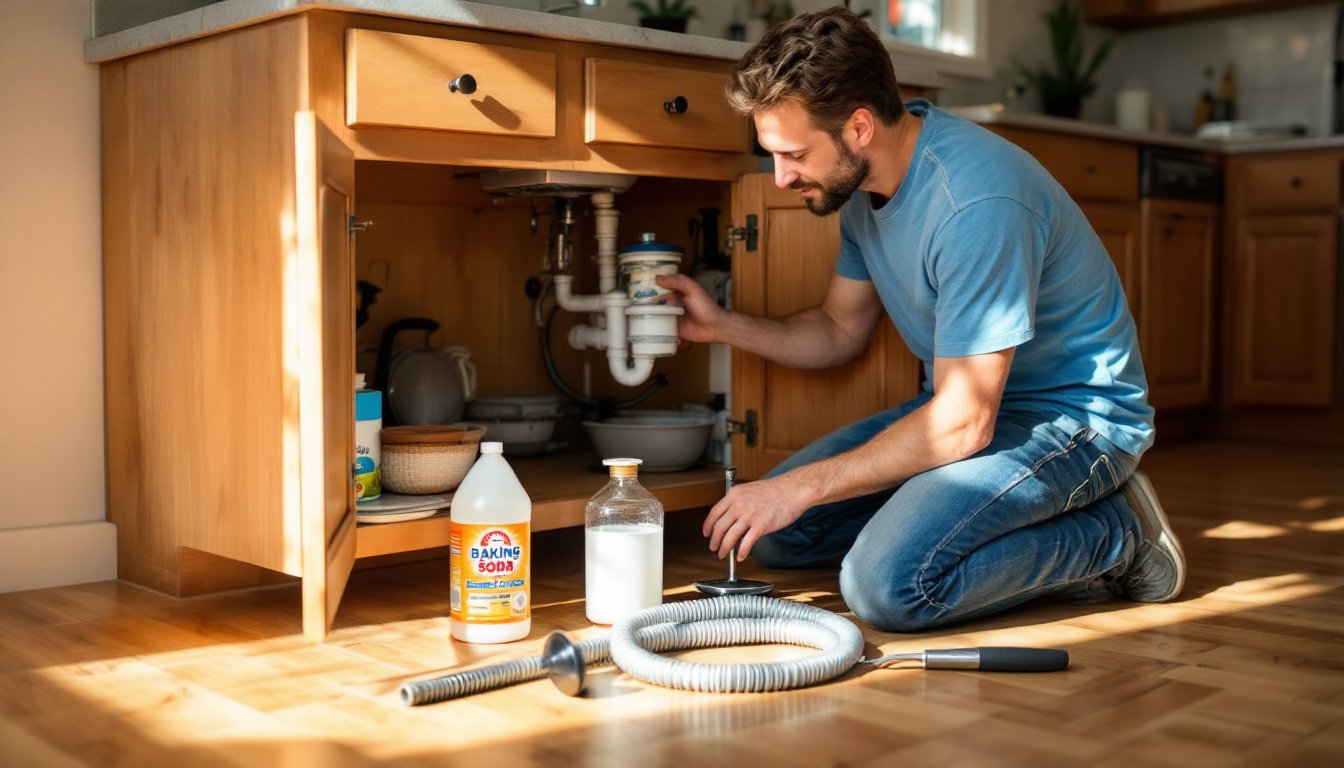
This method relies on a simple chemical reaction to break down soft clogs like hair tangles and soap buildup. Start by removing any visible debris from the drain opening, then pour a kettle of boiling water down the drain to soften the clog. Next, add about one-half cup of baking soda directly into the drain. Follow it immediately with one cup of white vinegar. The fizzing action you’ll see is the baking soda and vinegar reacting, that’s the clog-breaking magic happening. Cover the drain with a plug or wet cloth for 15 minutes to keep the pressure inside the pipe, then flush with another kettle of boiling water.
This approach costs about $2 to $3 in materials and works on roughly 70% of household clogs. It’s safe for all pipe materials, won’t harm your septic system, and produces no toxic fumes. For tougher clogs, repeat the process a second time.
Plunger Techniques and Drain Snakes
A plunger is deceptively effective for drain clogs. The key is creating a proper seal. Fill the sink or tub with enough water to cover the plunger cup entirely, then position the plunger over the drain and push down and pull up in rapid succession for 15 to 20 seconds. This creates suction that dislodges debris. For double-bowl sinks, block the second drain with a wet cloth so pressure doesn’t escape.
If the plunger doesn’t work, a manual drain snake (also called a plumbing auger) is your next budget option, typically costing $15 to $25. These have a hand crank and a coiled cable that you feed into the drain. As you turn the handle, the cable rotates and breaks through or snags the clog. Once you feel resistance, crank backward slowly to pull the clog material out. Snakes work best on hair clogs and are reusable, making them a smart one-time investment for any DIY toolbox.
Avoid chemical drain cleaners if possible. Yes, they’re cheap, but they’re caustic, harmful to pipes over time, dangerous if you need a plumber to follow up, and bad for septic systems and groundwater. Save your money and your pipes.
When to Call a Professional Plumber
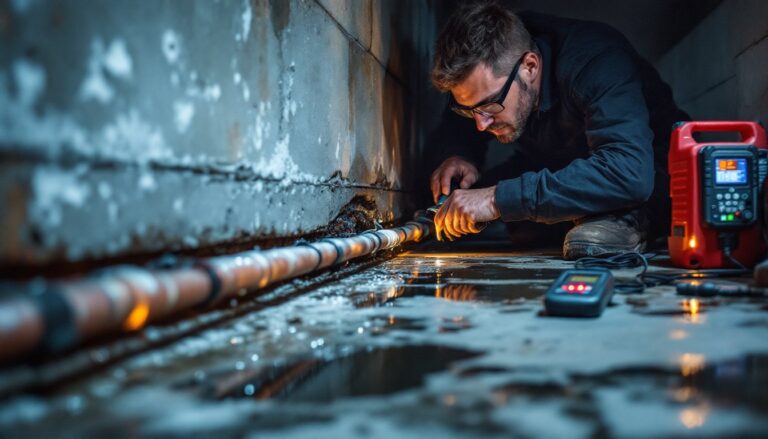
Know your limits. If you’ve tried the plunger and baking-soda method twice without success, or if the clog is deep in the main line, stop and call a pro. A professional has access to tools you don’t, like motorized augers, video inspection cameras, and high-pressure jetting equipment, that can identify blockages in inaccessible spots and clear them without damaging your pipes.
You should also call a plumber if you’re dealing with sewage backups (raw sewage in your home is a health hazard), multiple drains backing up simultaneously (sign of a main-line obstruction), or recurring clogs in the same spot (often indicates a structural issue like a cracked pipe or collapsed section). Some areas require permits for certain plumbing work, especially if it involves the main line or septic system, so check your local building codes first.
Professional plumbers typically charge $100 to $300 for a basic service call and drain cleaning, depending on your region and the job’s complexity. That might sound steep, but it’s cheaper than emergency calls, water damage repairs, or replacing a section of pipe. Home plumbing inspection costs vary, but they’re a smart investment if you suspect underlying structural problems.
Finding Affordable Plumbing Services
When you do need a professional, don’t just pick the first name in a Google search. Get quotes from at least three plumbers in your area, most offer free estimates over the phone or will visit your home at no charge. Ask about their service area, warranty on work, and whether they charge a call-out fee or hourly rate. Some plumbers charge flat rates for common jobs like drain cleaning, which gives you predictable costs.
Check online reviews on platforms like Angi and HomeAdvisor to see what others have paid and experienced. Ask friends and neighbors for referrals, word-of-mouth recommendations often lead to more reasonable pricing and reliable work. Watch for plumbers who offer seasonal promotions or package deals for multiple services. Some will discount drain cleaning if you bundle it with an inspection or water heater service. Streamline Services Plumbing, HVAC and similar licensed providers often have transparent pricing available upfront.
Ask each plumber how they’ll approach the job. Do they recommend snaking first, or jumping straight to jetting? A professional who’s willing to start with the least invasive (and cheapest) option and escalate only if needed is worth the call.
Prevention Tips to Avoid Costly Repairs
The cheapest drain fix is the one you never need. Simple prevention habits stop most clogs from forming in the first place. Install drain screens or strainers in all sinks, tubs, and showers, these catch hair, soap chunks, and food debris before they slide down the pipes. They cost less than $5 each and are the single best investment for drain health.
Never pour grease down the kitchen sink. Grease solidifies as it cools and creates stubborn blockages that are expensive to remove. Let it cool and harden in a container, then throw it in the trash. Same goes for coffee grounds, eggshells, and fibrous vegetables, they don’t belong in the drain. If you have a garbage disposal, use it sparingly and always run cold water (never hot) while it’s running.
Flush your drains regularly with hot water. Once a month, boil a kettle of water and slowly pour it down each drain. This melts minor buildup and keeps pipes clear without any chemicals. For bathroom drains, the baking soda and vinegar method once a quarter works great as preventive maintenance. Underground plumbing and main lines benefit from professional jetting every 2 to 3 years if you live in an older home with tree roots nearby, that’s a preventive cost that beats emergency repairs.
Know where your main water shut-off valve is located. If you ever do have a major backup or leak, you’ll need to turn water off fast. Most are near the street-facing side of your home or in the basement. Label it clearly so anyone in the family can find it in a crisis. Being prepared saves time, water, and money.